
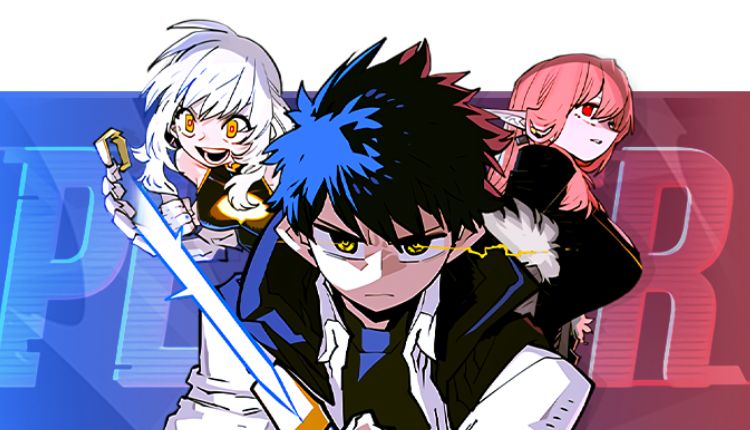
Among them, Player manhwa characters are the most popular because they become stronger through experience points, skills, and tasks, just like in video games. These characters often start weak, but through strategy, persistence, and sometimes a second chance at life, they become powerful.
This article explores the world of manhwa player characters, why they are so popular, how they are written, and how they differ from traditional heroes.
What are the Manhwa player characters?
Player manhwa characters are protagonists who live in worlds controlled by RPG-like systems. These systems give them access to stats, quests, levels, and skills. Readers like these stories because they feel interactive and structured, making progress understandable and exciting to watch.
Unlike traditional heroes who gain power randomly or through fate, player characters grow logically. Every success is earned, which builds an emotional connection with readers.
Another reason for their popularity is relatedness. These characters often start out as ordinary people, sometimes even weak or unhappy. When readers see them struggle and slowly rise, it creates strong motivation and hope.
Typical elements found in player manhwa stories include:
- Level-up systems with visible statistics
- Skill trees and class upgrades
- Dungeon raids and boss fights
- Rating systems among players
- Time regression or rebirth mechanics
These systems add strategy to the story, not just action. Readers enjoy guessing what skill the hero will choose next or how they will survive dangerous quests.
Manhwa player characters also reflect modern gaming culture. Many readers already understand the mechanics of the game, so they will immediately connect with the logic of the story. This makes manhwa easy to enjoy even for a beginner.
Additionally, these stories often mix fantasy, science fiction, and real-world settings. Portals open in cities, monsters attack modern society, and players become public figures. This blend of reality and fantasy heightens excitement and realism at the same time.
Overall, manhwa player characters are successful because they combine:
- Clear progression systems
- High-stakes survival
- Strategic thinking
- Emotional growth
This balance keeps readers hooked and always waiting for the next chapter.
Manhwa player character types based on game systems
Not all Player manhwa characters follow the same system rules. Different stories use different types of gameplay mechanics to create variety and prevent the genre from becoming repetitive.
One common type is the solo leveling system, where only the main character can level. This makes the hero unique and extremely powerful compared to others. Isolation also creates emotional pressure and secrecy.
Another type is the global player system, where anyone can become a player. In these stories, competition is intense and placement matters a lot. Politics, alliances and betrayals often play a large role.
There are also regression players where the hero returns to the past after death. With future knowledge, they make smarter decisions and avoid previous mistakes. This type focuses more on planning and long-term strategies.
Some stories feature hidden or broken systems where the protagonist unlocks rare abilities that others cannot access. These characters often exploit loopholes in the system to gain advantages.
Common system-based categories include:
- Separate leveling systems
- Global player awakening systems
- Regression and time systems
- Hidden class and secret skill systems
- Task systems controlled by artificial intelligence
Each type of system shapes the character’s personality. Solo players often become secretive and cautious. Global players tend to be more competitive and socially active. Regressive players usually seem mature and calculated.
These systems also influence the narrative style. Solo systems focus on personal growth, while global systems exhibit large-scale conflict. Regression systems often examine fate and changing future events.
Manhwa player characters are interesting in how they adapt to their systems. Some fight directly, others use intelligence, crafting or leadership skills. This variety allows readers to find characters that match their personal preferences.
Because the systems are flexible, authors can introduce unique twists at any time. New quests, hidden maps and sudden updates keep the stories unpredictable and exciting.
Psychological growth of Manhwa player characters
Player manhwa characters grow not only in strength, but also emotionally and mentally. Their psychological development is one of the strongest elements of the genre.
In the beginning, many characters are scared, confused or traumatized by sudden monster attacks and deadly tasks. Their main goal becomes survival. Over time, repeated battles harden their thinking.
Some characters struggle with loneliness, especially those who level up. Keeping secrets from friends and family creates emotional distance. This inner conflict makes them more human and communicative.
Regressive characters often face emotional burdens because they remember a tragic future that others do not. They can watch loved ones make mistakes they can’t explain, creating silent suffering.
Commonly researched psychological topics include:
- Survivor’s guilt after losing teammates
- Fear of becoming inhuman due to power
- Responsibility to protect others
- Moral conflicts in brutal elections
As the power grows, the characters also face temptation. Some become ruthless, while others fight to maintain their humanity. This fight adds depth and maturity to the story.
Leadership also becomes part of psychological growth. Strong players often attract followers and guilds. Decisions that affect the lives of others force them to think beyond personal survival.
Romantic feelings, friendship, and betrayal further complicate their emotional journey. Trust becomes difficult when everyone is competing for rewards and ranks.
A good manhwa player shows that strength alone cannot resolve emotional wounds. The characters must confront their fears, regrets, and moral boundaries. This emotional realism is why many readers feel deeply connected to these heroes.
Power Scaling and Skill Development in Player Manhwa
One of the most exciting aspects of the Player manhwa characters is how clearly their power growth is shown. Stats, skills, and equipment provide measurable progress to keep readers engaged.
Skill systems usually offer multiple paths. Characters can specialize in:
- Physical combat classes, such as warriors and assassins
- Magic-based classes, such as mages and summoners
- Support roles like healers and buffers
- Hybrid classes combining different abilities
Choosing the right skills becomes a strategic decision. Some players focus on high damage while others favor survivability and versatility.
However, good stories balance power growth with challenges. Stronger enemies, complex boss mechanics, and system restrictions prevent characters from becoming too overpowered too fast.
Some stories introduce penalties such as:
- Limited stamina and mana
- Skill cooldown times
- Mental exhaustion
- Risk of permanent death
These limitations maintain tension even when the hero becomes extremely strong.
Another interesting element is skill evolution. Abilities can transform after repeated use, unlocking hidden effects. This creates excitement whenever the character reaches a new milestone.
Power growth also reflects personality. Aggressive players choose offensive skills, while cautious players invest in defense and control. This makes power progression feel like character development rather than just numbers increasing.
Overall, power systems make achievements satisfying and setbacks meaningful, keeping readers emotionally invested in every battle.
Antagonists and Rival Players in Manhwa Worlds
Player manhwa characters are only as interesting as the enemies they face. Antagonists in these stories often have their own systems, goals, and tragic backstories.
Some villains are monsters and dungeon bosses controlled by the system. Others are rival players competing for rankings and rewards. Human antagonists often create more emotional tension.
Rival players may start as allies but later become enemies due to ambition or misunderstanding. This shifting relationship adds drama and unpredictability.
Common types of antagonists include:
- Powerful guild leaders seeking domination
- Corrupted players who abuse their power
- System-created monsters with intelligence
- Secret organizations controlling player politics
Unlike simple villains, many rivals believe they are right. They may want to control chaos, protect humanity, or gain power for survival. These moral gray areas make conflicts more complex.
Some antagonists mirror the protagonist’s path, showing what the hero could become if they made different choices. This reflection adds psychological depth to battles.
Boss monsters also play symbolic roles. They represent fear, greed, or despair. Defeating them is not just a physical victory but also an emotional triumph.
In advanced stories, the system itself becomes an antagonist. Players realize they are being manipulated for entertainment or unknown purposes. This shifts the narrative from survival to rebellion.
Strong antagonists push player manhwa characters to their limits, forcing them to evolve mentally and physically. Without challenging enemies, growth would feel meaningless.
World-Building and Lore in Player Manhwa Stories
World-building is essential for making player manhwa believable. These stories create detailed systems, histories, and political structures around players and dungeons.
Many manhwa introduce government agencies that regulate players. Licensing, rankings, and missions are officially monitored. This adds realism and social consequences to power.
Guild systems also shape society. Players form organizations to raid dungeons and share resources. Guild politics often lead to internal conflicts and betrayals.
World lore often includes ancient civilizations, gods, or forgotten technologies that explain why systems exist. These mysteries slowly unfold across the story.
Important world-building elements include:
- Dungeon ecology and monster origins
- Magic and energy sources
- Player economy and item markets
- Inter-dimensional threats
Some stories reveal that Earth is only one battlefield in a larger cosmic game. Other worlds may have stronger players and different systems, raising future threats.
Good world-building allows side characters to feel important. Their struggles and ambitions make the world feel alive beyond the main hero.
Lore also connects long-term plot arcs. Ancient enemies return, hidden maps unlock forgotten powers, and old legends become real challenges.
Strong settings ensure that player manhwa characters grow within meaningful worlds, not empty battlefields.
Female Player Manhwa Characters and Representation
Female player manhwa characters are becoming more common and better written in modern stories. They are no longer just support roles but strong fighters and strategists.
Some stories feature female protagonists who level up through intelligence rather than brute strength. Others become top-tier warriors and guild leaders.
Representation has improved in areas such as:
- Leadership roles in major guilds
- Competitive rankings among top players
- Independent character motivations
- Complex emotional development
Romantic subplots exist but are no longer the only focus of female characters. Many have personal goals like protecting families, seeking revenge, or uncovering system secrets.
Support-type female players are also portrayed with strategic importance. Healing, buffing, and battlefield control are essential in raids, making them highly respected.
Female villains also appear, often with tragic or morally complex motivations. This balanced portrayal improves storytelling quality and diversity.
However, challenges remain. Some stories still rely on stereotypes or excessive fan service. But overall, representation is steadily improving across the genre.
Strong female player characters increase audience diversity and allow more readers to see themselves in heroic roles.
Future Trends of Player Manhwa Characters
The player manhwa genre continues to evolve with new ideas and storytelling techniques. Writers are experimenting with fresh perspectives to avoid repetition.
Future trends include:
- Villain protagonists with redemption arcs
- System-breaking characters who rewrite rules
- Psychological thriller-style player stories
- Political and social conflict-driven plots
Stories are also focusing more on emotional trauma and long-term consequences rather than endless power growth.
Another trend is multi-protagonist systems where several characters share equal focus. This allows deeper exploration of teamwork and conflicting goals.
AI-controlled worlds and virtual reality settings are also gaining popularity, blurring lines between games and reality even further.
Crossover-style worlds where different system types merge may become more common, increasing unpredictability.
As readers become more experienced with game mechanics, writers must introduce smarter strategies and deeper plots to keep interest high.
Player manhwa characters will likely become more morally complex, reflecting real-world struggles with power, responsibility, and survival.
Conclusion
Player manhwa characters have transformed modern Korean comics by blending gaming mechanics with emotional storytelling. Their structured growth, strategic battles, and psychological depth create powerful narratives that attract millions of readers worldwide.
From solo leveling heroes to competitive global players, these characters reflect different ways of surviving in harsh, system-controlled worlds. Their journeys are not just about becoming stronger but also about staying human in dangerous environments.
With improved world-building, better character diversity, and deeper moral conflicts, the future of manhwa characters looks more exciting than ever. This genre will continue to evolve, offering readers thrilling adventures and meaningful emotional experiences.
FAQs
What does “player” mean in manhwa?
A player is a character who can access a game-like system with levels, skills, quests, and stats, usually to fight monsters or complete missions.
Why are player manhwa characters so popular?
Because readers can clearly see progress, enjoy strategic battles, and relate to characters who start weak and grow stronger through effort.
Are all player manhwa about fighting?
Most involve combat, but many also focus on strategy, politics, crafting, leadership, and emotional relationships.
Do manhwa characters always become overpowered?
Not always. Good stories balance power with strong enemies, system limits, and emotional consequences.
Is Player Manhwa suitable for beginners?
Yes. Many stories explain systems clearly, making them easy to understand even for new readers.
