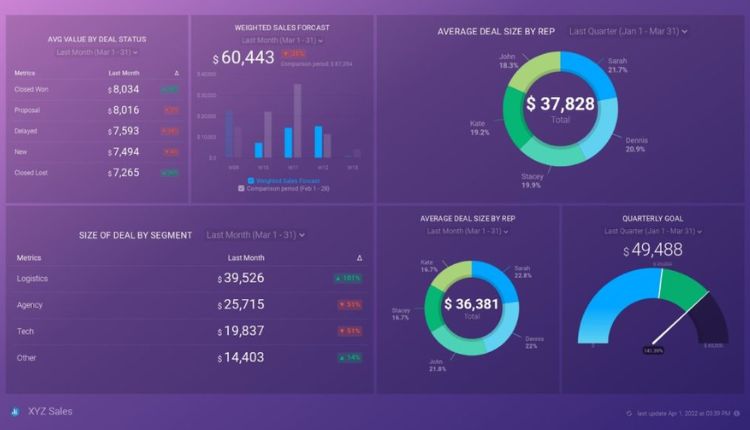
Transforming financial reporting is crucial for efficiency. You might feel overwhelmed by the idea of switching from spreadsheets to dashboards. You’re not alone. Many face this challenge, including small businesses and those in pembroke pines accounting self employed. Dashboards offer clearer views of your finances. They eliminate human error and save you time. You should know that spreadsheets can complicate your reporting process.
Dashboards simplify this. They allow you to focus on growth instead of endless calculations. If you’ve relied on traditional methods, it’s time to embrace change. You’ll find that dashboards help you make better financial decisions. You can track and understand your data with ease. If you’re self-employed, this can be a game-changer. Remember, you’re not just keeping up with technology. You’re improving your financial health. Take this step and see the difference in your daily operations. Experience the relief that modern tools bring to financial reporting.
Why Transition Matters
Transitioning from spreadsheets to dashboards is not just about adopting new tools. It’s about transforming your approach to financial management. You need to understand that spreadsheets are prone to errors and can be hard to manage as your data grows. Dashboards automate and streamline these processes, offering real-time insights and more accurate tracking of financial data.
Benefits of Dashboards
- Real-time updates: You see financial data as it changes.
- Improved accuracy: Errors common in spreadsheets are reduced.
- Better decision-making: Visual data helps you make informed choices.
Comparison: Spreadsheets vs. Dashboards
| Feature | Spreadsheets | Dashboards |
|---|---|---|
| Data Entry | Manual | Automated |
| Error Rate | High | Low |
| Visualization | Limited | Robust |
| Updates | Periodic | Real-time |
| Scalability | Limited | High |
Steps to Transition
Begin by assessing your current financial reporting needs. Identify data that you need to track more effectively. Next, choose a dashboard solution that fits your requirements. Implement and integrate it with your existing systems. Provide training for your team to ensure they understand how to use the new tools. Finally, regularly review your dashboards to ensure they are meeting your needs.
Challenges and Solutions
You might face challenges during this transition. Change can be difficult, and there might be resistance from your team. To overcome this, communicate the benefits clearly and provide adequate training. If technical issues arise, work with your dashboard provider for support.
Long-term Impact
Adopting dashboards can lead to long-term improvements in your financial reporting processes. You’ll experience increased efficiency and accuracy. This contributes to better business outcomes and growth. With easier access to data, you can focus on strategic planning and decision-making.
For more information on effective financial reporting, explore resources like SBA.gov for small business guidance. Also, visit the IRS website for updates on financial management and compliance.