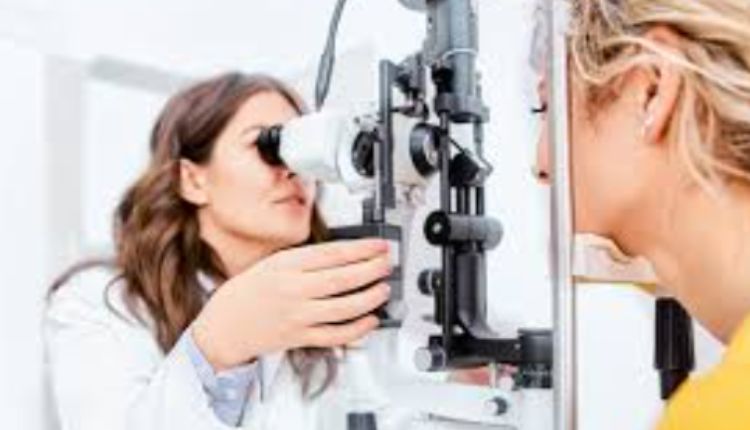
Your eyes deserve attention. Often, they reflect your overall health and well-being. Ignoring issues can have serious consequences. You need to notice the signs indicating a visit to an eye doctor in Austin, TX. Blurred vision may indicate a change in your prescription. Are you straining to read a menu or struggling to see street signs? Frequent headaches could hint at eye strain. Sudden flashes or floaters in your vision are concerning. They require immediate attention.
Do not ignore persistent eye pain. Also, if you find yourself constantly squinting, it’s time to act. Eyes feeling dry or irritated? That needs professional care. Regular eye exams help prevent serious conditions. Your vision is precious. These signs guide you. Trust them. Address issues promptly with a trusted eye doctor. Never wait until it’s too late. Your eye health impacts your daily life. Prioritize it now. Seek professional advice today.
Common Vision Issues
Vision problems can sneak up on you. Many people dismiss symptoms until they become significant. Common issues include blurred vision, which may cause you to squint more often. Straining to read or see objects at a distance signals a need for a new prescription. Relying on over-the-counter reading glasses might not be enough. Regular eye exams are crucial in detecting these changes early.
Children and Eye Exams
Children’s eyes require special attention. Early detection of vision problems can impact learning and development. Watch for signs such as rubbing eyes frequently, sitting too close to screens, or complaining of headaches. According to the Centers for Disease Control and Prevention, screenings can help identify vision problems early. Ensure your child visits an eye doctor regularly.
Eye Health and Overall Health
Eye health is tied to your general health. Conditions like diabetes and high blood pressure can affect your vision. You might not link these issues directly to your eyes, but they can cause noticeable changes. Maintaining regular eye exams can catch these problems before they worsen. An eye exam can sometimes be the first step toward diagnosing a larger health issue.
When to Schedule an Eye Exam
Adults should have their eyes checked regularly. The American Academy of Ophthalmology suggests a baseline exam by age 40. Afterward, the frequency depends on your eye health and risk factors. Here’s a simple guideline:
| Age Group | Frequency |
| 0-18 years | Annually |
| 19-40 years | Every 2 years |
| 41-60 years | Every 2 years |
| 61+ years | Annually |
Other Symptoms to Watch For
Aside from vision problems, other symptoms should trigger an eye exam. If you notice increased sensitivity to light, changes in color perception, or a curtain-like shadow in your vision, take action. Eye exams can uncover serious conditions like glaucoma, cataracts, or macular degeneration.
Technology and Eye Strain
In today’s digital age, many experience digital eye strain. Long hours in front of screens strain your eyes. Symptoms include dry eyes and blurred vision. Following the American Optometric Association’s 20-20-20 rule can help: every 20 minutes, look at something 20 feet away for 20 seconds.
Benefits of Regular Eye Checkups
Regular eye exams do more than update your prescription. They reveal changes in your eyes that might indicate other health issues. Eye doctors are trained to spot subtle clues about your health. Consistent exams promote long-term eye health and prevent potential vision loss.
Conclusion
Your eyes need regular attention. Do not overlook signs that it is time for an exam. Address vision changes and discomfort promptly. Scheduling an eye exam with an eye doctor in Austin, TX ensures you maintain healthy vision. Keep your eyes in check, so they can continue to serve you well.