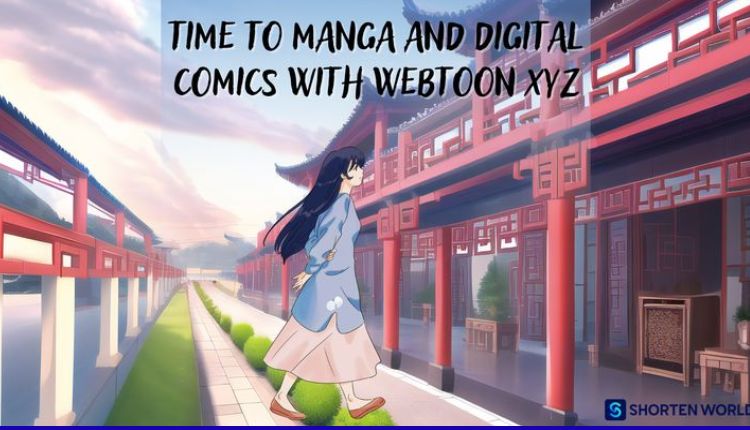
In the realm of webtoons, age matters webtoon age plays a pivotal role in shaping narratives, character development, and audience reception. Understanding why age matters in webtoons is crucial for creators aiming to craft compelling stories that resonate with their target audience. From themes and content to visual presentation, every aspect of a webtoon is influenced by the age group it caters to. In this comprehensive guide, we delve into the significance of age in webtoons and explore how it affects various aspects of storytelling and audience engagement.
Age Matters Webtoon: Exploring the Impact of Age in Storytelling
Defining the Target Audience
Creating a successful webtoon begins with identifying the target audience. Different age groups have distinct preferences, interests, and sensibilities, which directly influence the content and tone of the webtoon. Understanding the demographics of your audience is essential for tailoring the narrative to their specific tastes and expectations.
Crafting Age-Appropriate Themes
The themes explored in a webtoon play a significant role in attracting and retaining readers. For instance, webtoons targeted at younger audiences may focus on themes of friendship, adventure, and self-discovery, while those aimed at older readers might delve into more complex topics such as romance, societal issues, and personal growth.
Character Development and Representation
The age of the characters in a webtoon can profoundly impact how readers relate to and empathize with them. Age-appropriate character development ensures that the experiences, challenges, and aspirations of the characters resonate authentically with the intended audience. Moreover, diverse representation across age groups fosters inclusivity and enriches the storytelling experience.
Visual Presentation and Art Style
The visual aesthetic of a webtoon plays a crucial role in captivating readers and conveying the tone and mood of the story. The art style, color palette, and character designs should align with the preferences and expectations of the target age group. Additionally, age-appropriate visuals help establish the overall atmosphere and appeal of the webtoon.
Audience Engagement and Feedback
Understanding the age demographics of your audience enables you to tailor your engagement strategies and solicit feedback effectively. Younger readers may prefer interactive elements, contests, and fan art submissions, while older audiences may appreciate in-depth discussions, behind-the-scenes insights, and character Q&A sessions.
Balancing Creativity and Responsibility
While creativity fuels the storytelling process, creators must also exercise responsibility when addressing sensitive topics or mature themes. Striking a balance between artistic expression and ethical considerations ensures that the webtoon maintains its integrity and resonates positively with its audience.
Leveraging Technology and Trends
The digital landscape offers endless opportunities for innovation and experimentation in webtoon creation. From interactive storytelling formats to immersive multimedia experiences, leveraging technology and current trends can enhance the appeal and accessibility of the webtoon across different age groups.
Embracing Diversity and Inclusivity
Diversity in characters, themes, and storytelling perspectives enriches the webtoon experience and fosters a sense of belonging among readers from diverse backgrounds. By embracing inclusivity and representing a wide range of voices and experiences, creators can create webtoons that resonate with audiences of all ages.